Can AI help us communicate with more confidence?
That question became TalkNinja: a mobile speaking coach built around practice, feedback and improvement.
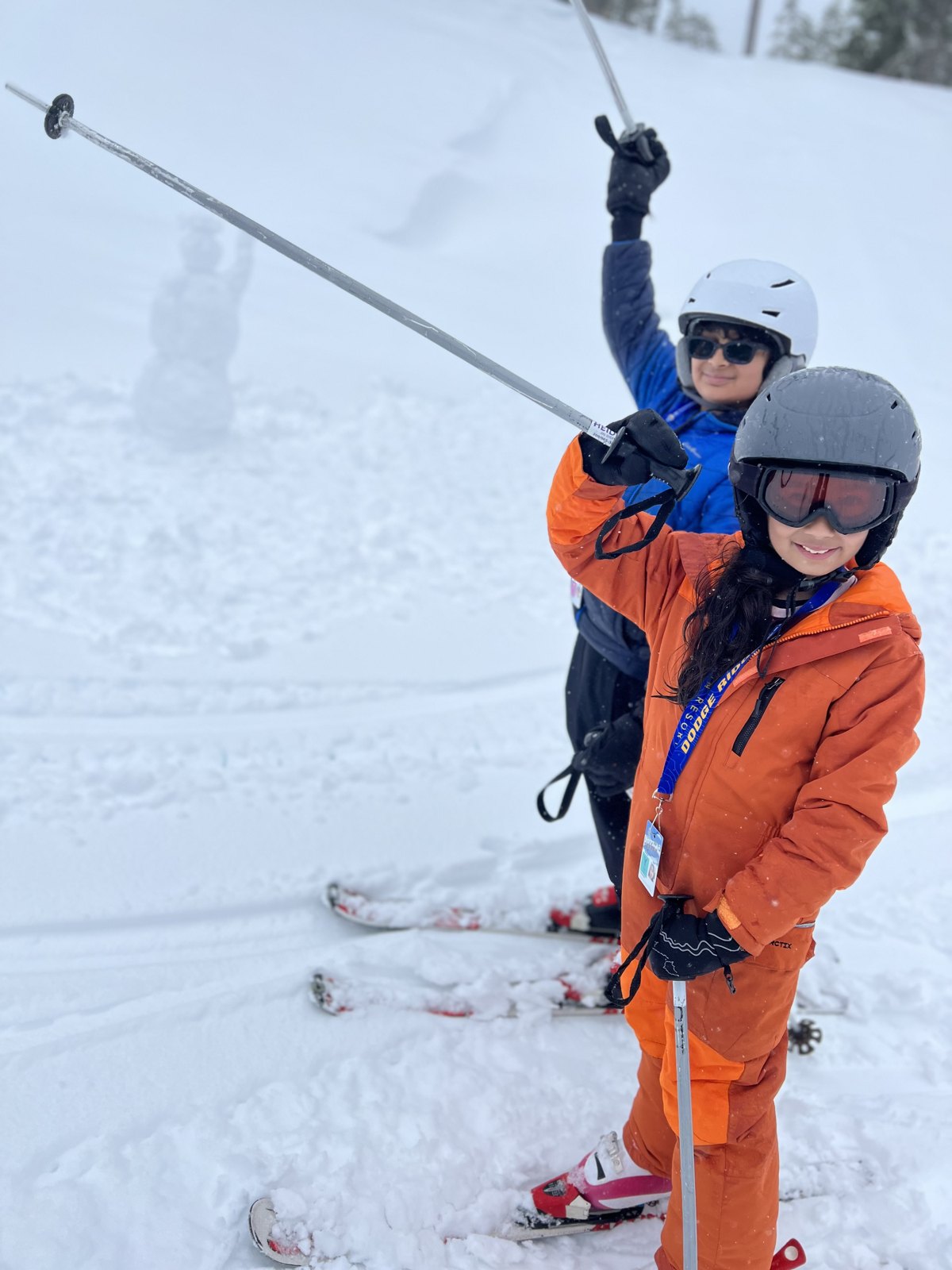
Away from the screen, there are drums, books, swimming, skis and projects that end up in the tummy.
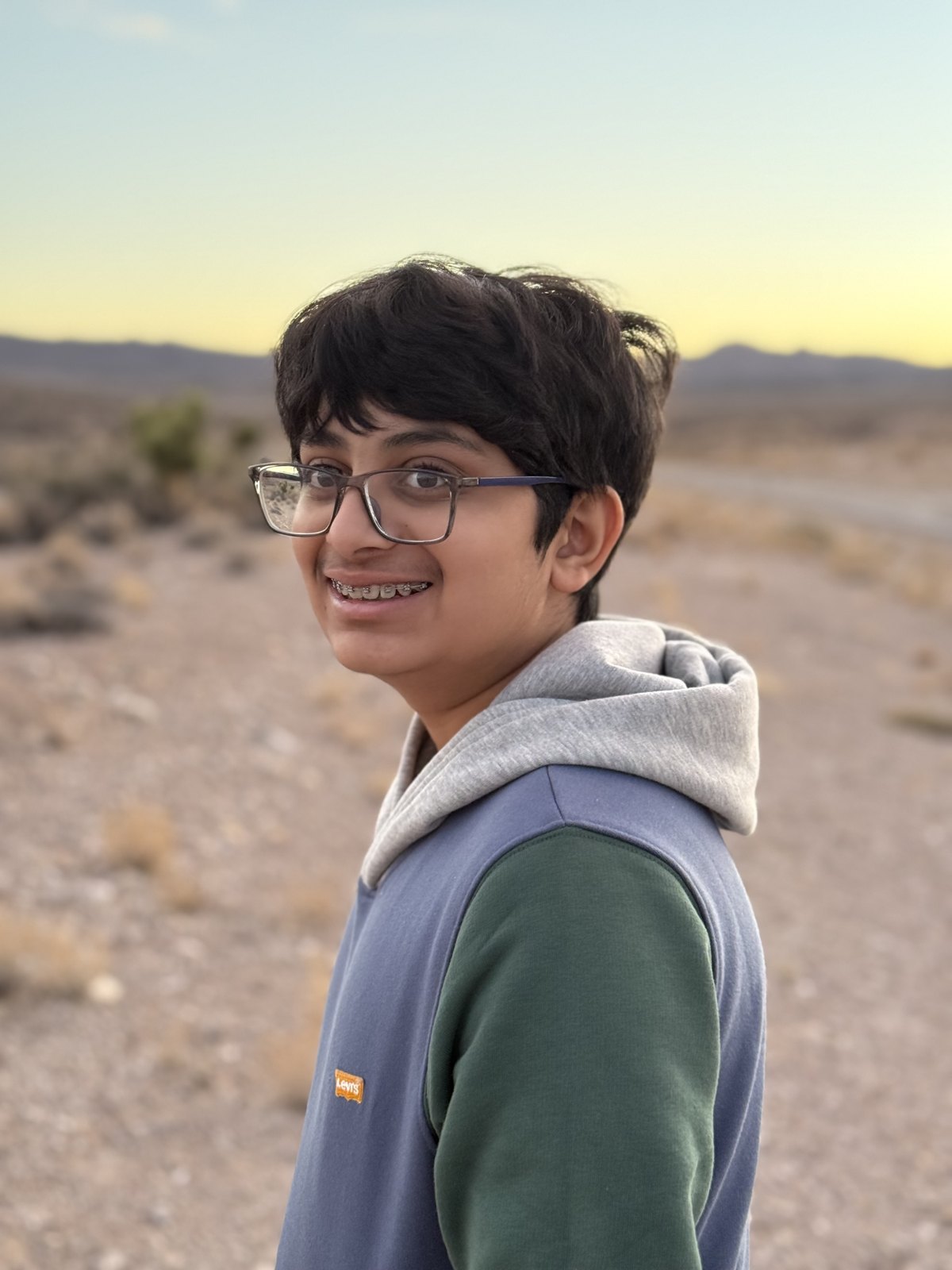
Questions came first. These are a few of the threads I keep returning to.
That question became TalkNinja: a mobile speaking coach built around practice, feedback and improvement.
From colorectal-cancer pathology to precision medicine and genomic bioinformatics.
My adolescent stress–gut–metabolism research explores one way to connect those signals computationally.
TalkNinja is a mobile speaking coach for teenagers practicing communication and Speech & Debate. It uses AI-powered speech analysis to give feedback during practice.
Co-founder · Product strategy & AI development · With Shreya Ved
I’m especially drawn to problems where computation can help make sense of biological or healthcare systems.
This work explores an AI-based predictive healthcare pipeline that combines demand forecasting with inventory optimization. The system compares machine-learning approaches—including LSTM-based time-series forecasting—to anticipate medicine demand and reduce overstocking, expiration and operational waste. The paper describes model-based experiments, rather than a deployed clinical system.
Adolescent health is rarely one-dimensional. This project combines behavioral surveys, microbiome genomic data and neuroimaging from three independent cohorts, using Bayesian hierarchical modeling to explore relationships among stress, gastrointestinal distress, microbial metabolic potential and neural regulation.
The analysis explores associations between stress and gut symptoms, microbial genomic potential and metabolic output, and amygdala reactivity and neural regulation. Independent cohorts and a cross-sectional design limit individual-level causal inference.
This project develops a computational framework for evaluating CRISPR guide RNAs targeting genes involved in cardiac remodelling: MYH7, ACTC1, TNNT2, and NPPA. It combines biochemical sequence features with thermodynamic modelling of RNA–DNA binding to compare predicted editing efficiency, specificity, and off-target risk.
Although the tested guides had similarly high predicted efficiency, their safety profiles differed. In the computational comparison, gRNA2 targeting MYH7 had the highest specificity score and lowest predicted off-target burden. These findings identify a candidate for further validation, rather than demonstrate a clinically tested treatment.
Submitted to the IEEE International Conference on Intelligent Sensing and Autonomous Systems for Sustainable Future (ISASF 2026).
Courses, research programs and clinical experiences gave me different ways to look at the same question: how do ideas move from theory to something useful?
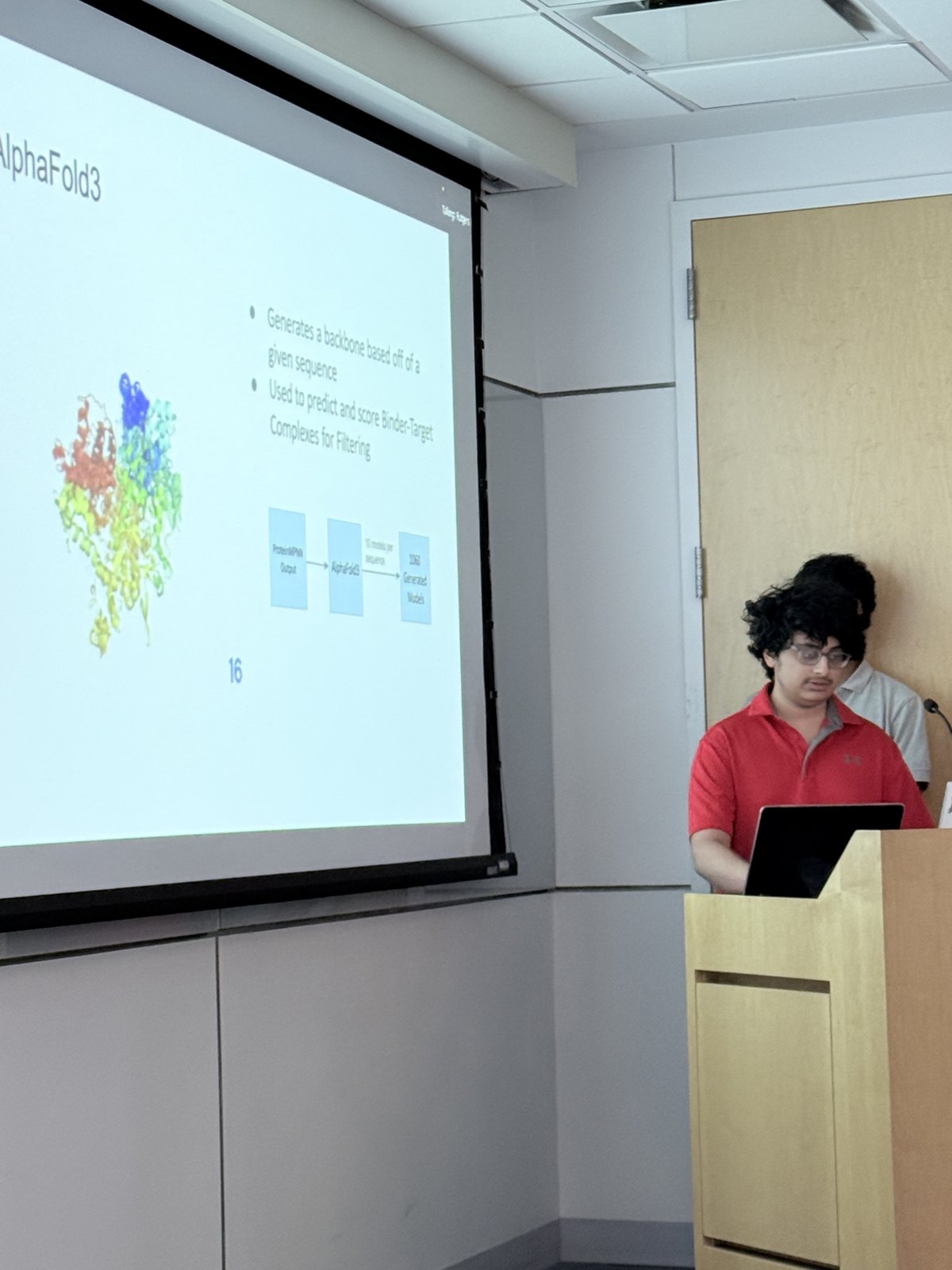
A six-week internship in computational protein design at Khare Labs, Rutgers University’s Center for Integrative Proteomics Research, June–August 2026.
“Nervous and excited at the same time, but ready to get out of the classroom and into the lab!”Read the first-day post ↗


I came to Rutgers to work in a lab. I didn’t expect to end up in the emergency department with appendicitis. Three days of pain!
I’d planned to spend the summer asking questions about biotechnology. Suddenly, I was also asking: Why is something as unpleasant as pain useful? What does the appendix do, and why hasn’t evolution eliminated our susceptibility to appendicitis?
These weren’t the questions I’d come with, but they became part of what I wanted to understand.
“Just wrapped up my 6 week internship in computational protein design. What a wonderful learning experience!!!!”
Rutgers Center for Integrative Proteomics Research
Read the wrap-up post ↗Selected excerpts. Embedded posts load from LinkedIn when opened and may require sign-in.
Hands-on biotechnology coursework spanning techniques such as DNA extraction, PCR, bacterial transformation, gel electrophoresis and genetic manipulation.
Built a machine-learning model to analyze tissue pathology for colorectal-cancer detection—an early bridge between my interests in AI and medicine.
I led and mentored seven students in a club focused on AI, bioinformatics and healthcare. Project details will be added here.
Merced Lung and Sleep Center. Observed a clinical practice focused on respiratory and sleep-related conditions.
Observed prosthodontic treatment, implants, dentures and sleep-apnea related care.
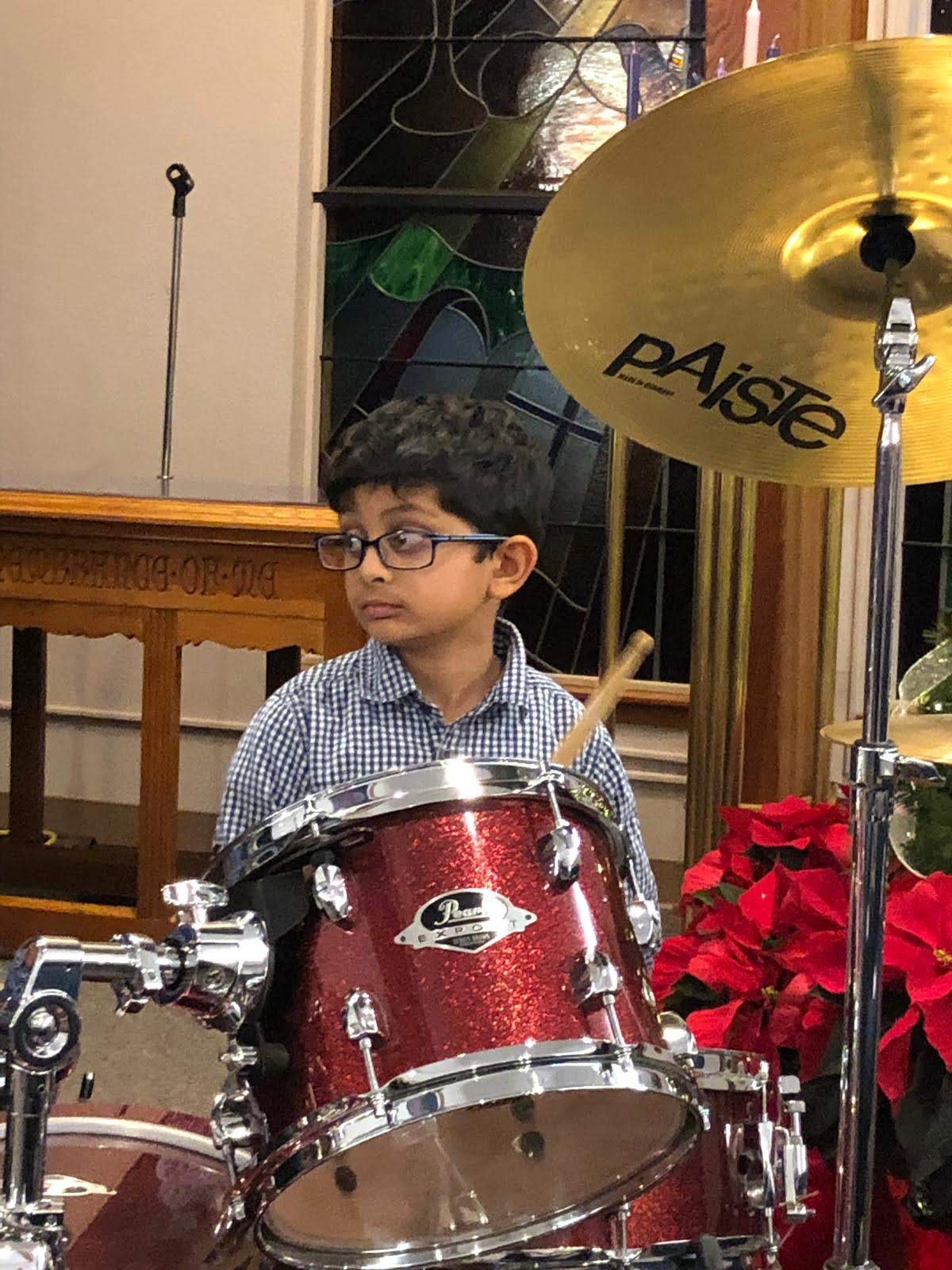
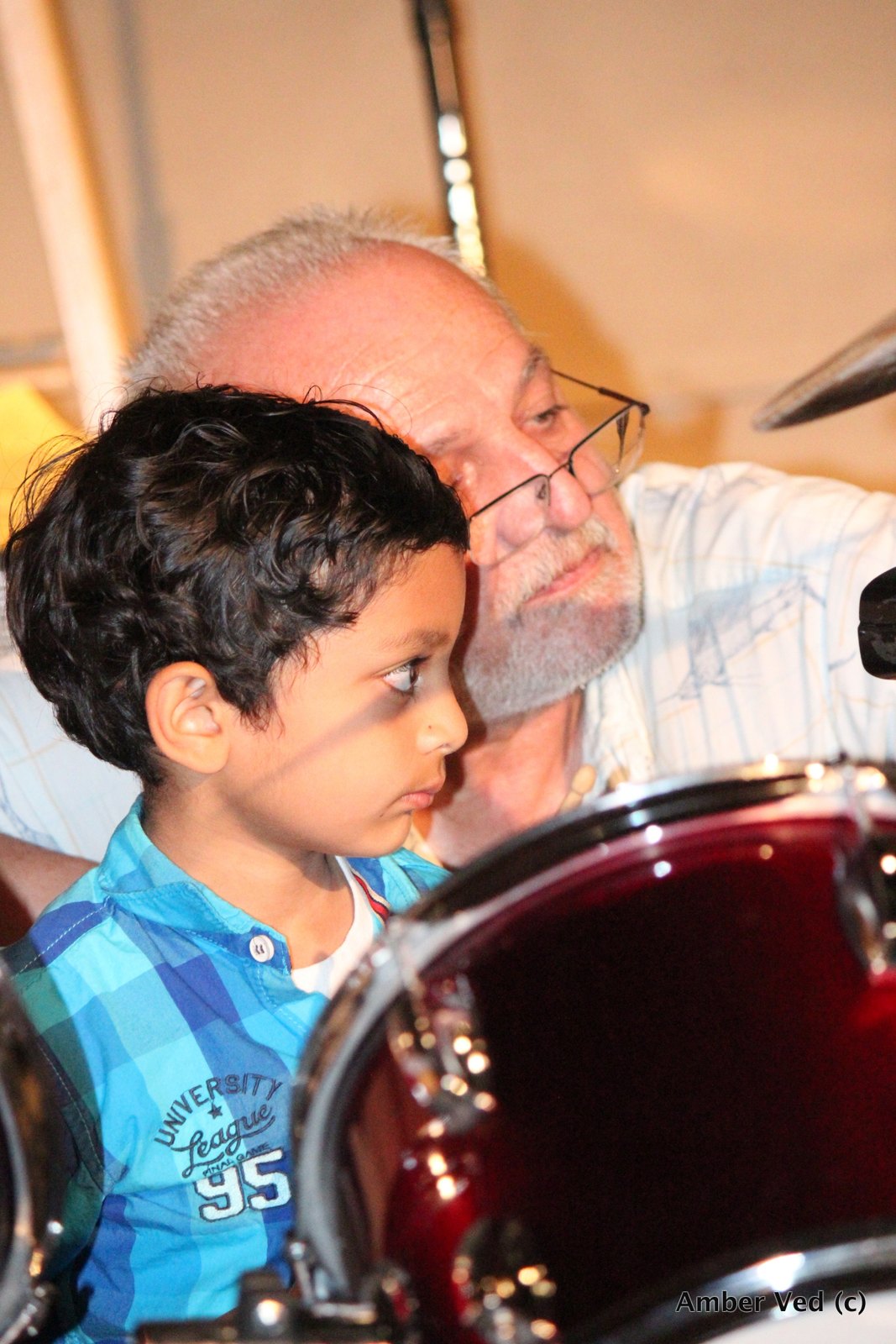
Drums have been a long-running part of my life—from percussion in school band through 10th grade to continuing formal drum study through BYU coursework. In middle school, I received the “Most Progress” recognition. I like that this part of my story has room for getting better, alongside performing.
School Band · Percussion
BYU · UC-approved Drums Basics
Skiing, painting, chess, and making something to eat. There doesn’t need to be a project behind every afternoon.
For an AP Calculus BC project, I baked cylindrical cakes. Cooking had started with a foods elective and become a hobby; this time it also supplied the shapes for a math project.
I also make sandwiches and bake outside class.
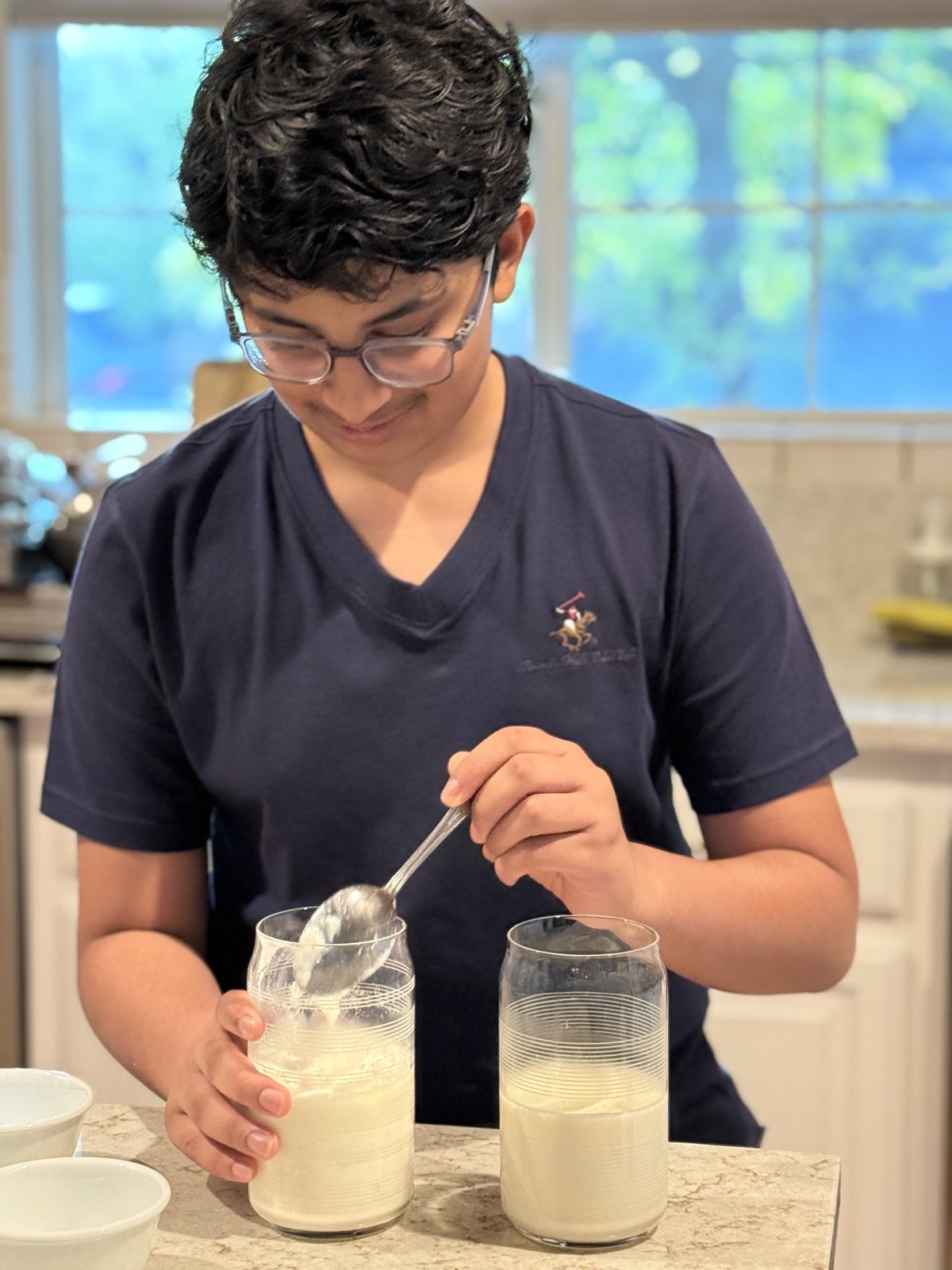
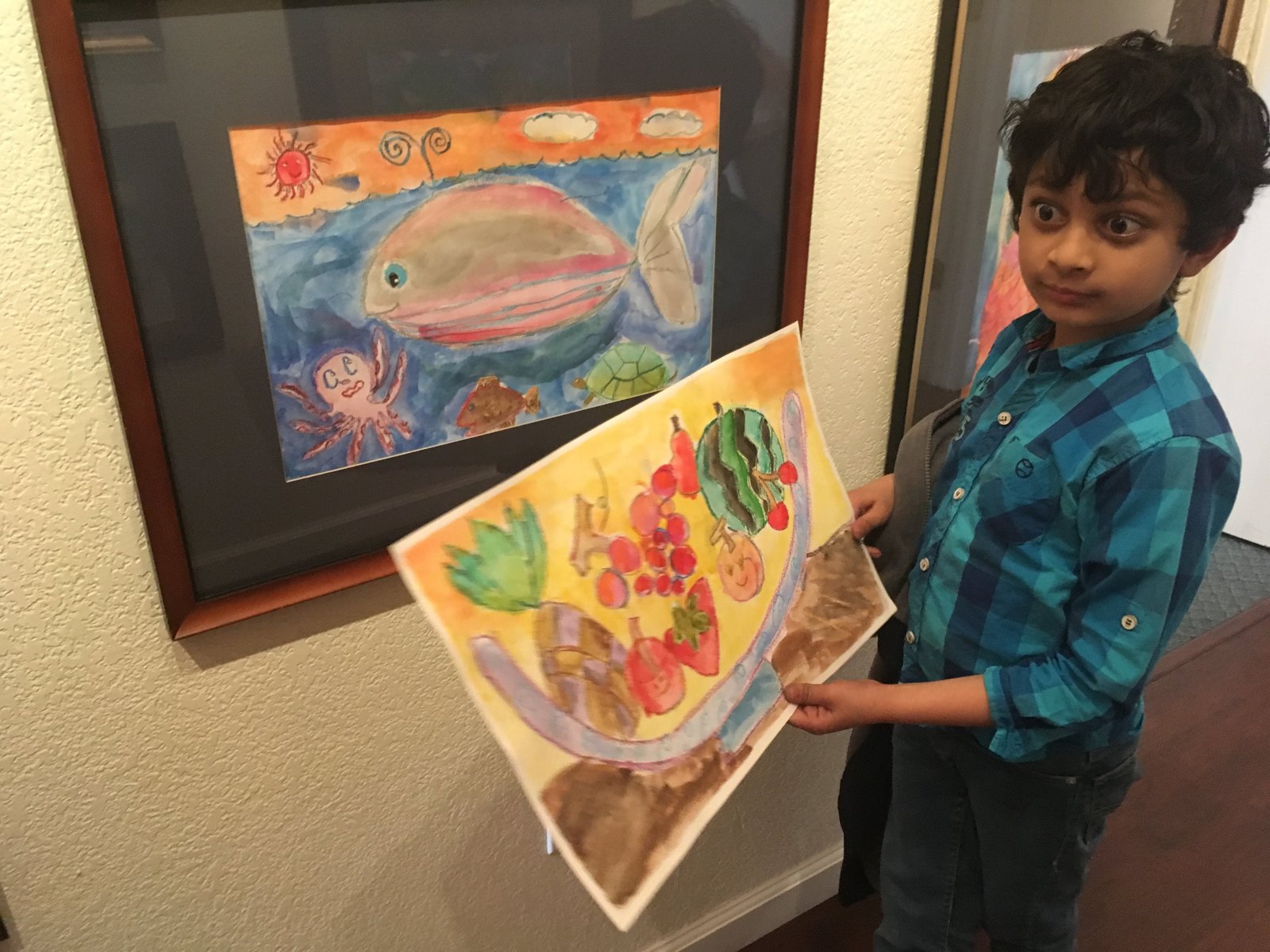
Five years of painting are another part of my life. CAD and 3D printing give me a different way to make things.
At Kaiser, the work could be as immediate as finding the right department, helping with a wheelchair, or guiding someone on the way home.
I helped patients and visitors find their way, assisted with wheelchairs, and supported reception and emergency-room navigation. I also helped discharged patients on their way home.
Supported library operations, shelf reading, computer/keyboard cleanup and event setup.
Helped lead blanket distribution, book drives and food distribution supporting community needs and youth mental-health awareness.
Meet the Give & Shine team ↗My tutoring profile on Superprof.
View my tutoring profile ↗Website and technology work. The specific contribution and examples will be added here.
Managed recurring exterior property-maintenance work for neighbors—self-directed service, consistency and client responsibility.
Explored robotics, engineering, medicine and forensic science through hands-on career simulations.
Received recognition in the Visual Art category for work responding to the theme “how you will change the world.”
Academic recognition across high-school years.
Small experiments, simulations, and projects where I test ideas without worrying whether they need to become “projects.” View my GitHub profile ↗
Three simulations I made, from a simple random walk to Monte Carlo experiments.
Choose a simulation to try it here. Internet connection required.
Jupyter workflow for identifying CRISPR PAM sites and mapping candidate locations to exons/introns in hg38.
Interactive sorting visualizations designed to make algorithm behavior easier to see.
Matrix-multiplication benchmark across C, Rust, Java, Python and JavaScript.
Backtracking-based generator for valid puzzles at multiple difficulty levels.
Selected designs and photographs to come.
I play chess online and across a board. A favorite game can go here when I have one to share.
Started through a foods elective and grew into a hobby—specialty sandwiches, cakes, and even cylindrical cakes for an AP Calculus BC project.
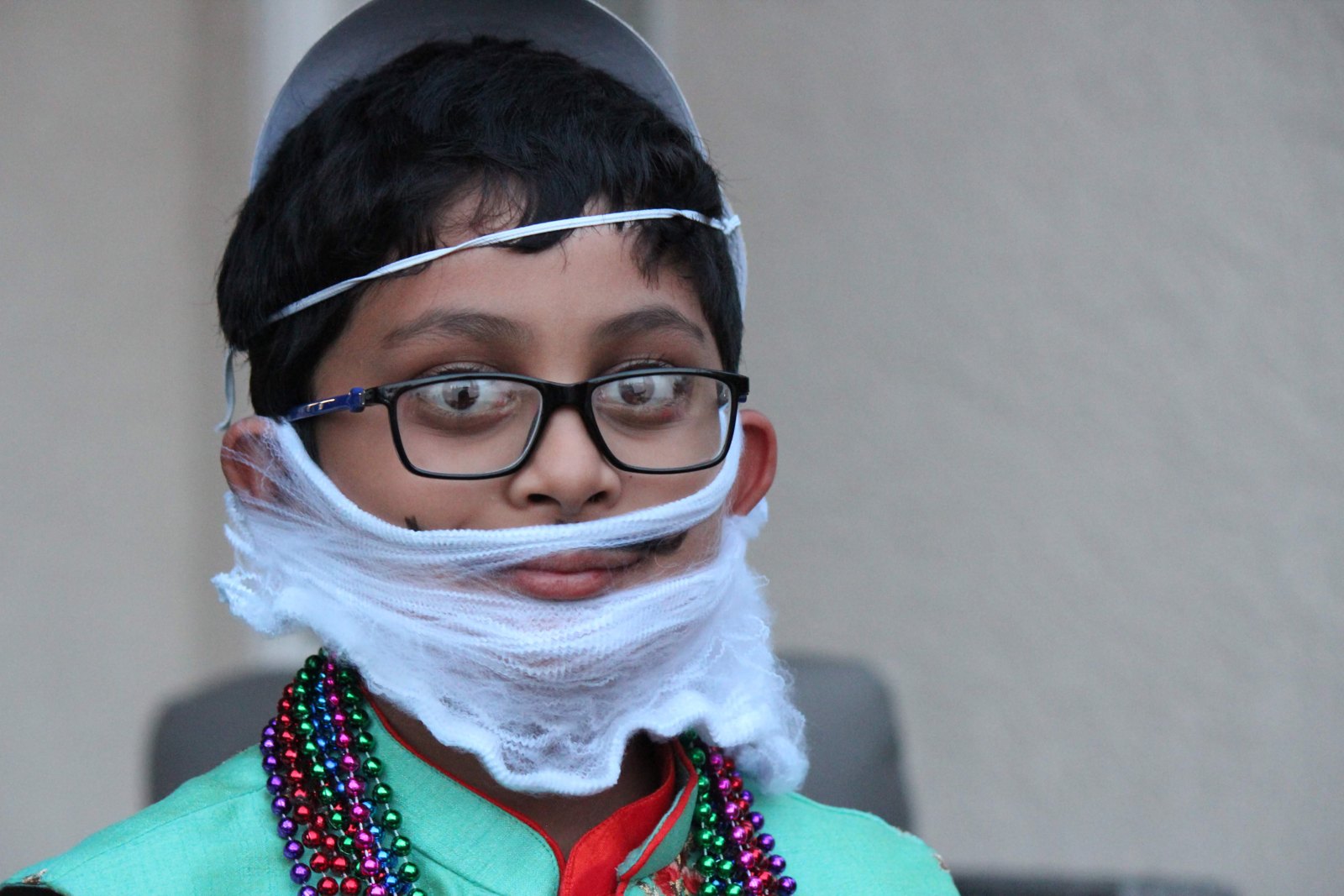
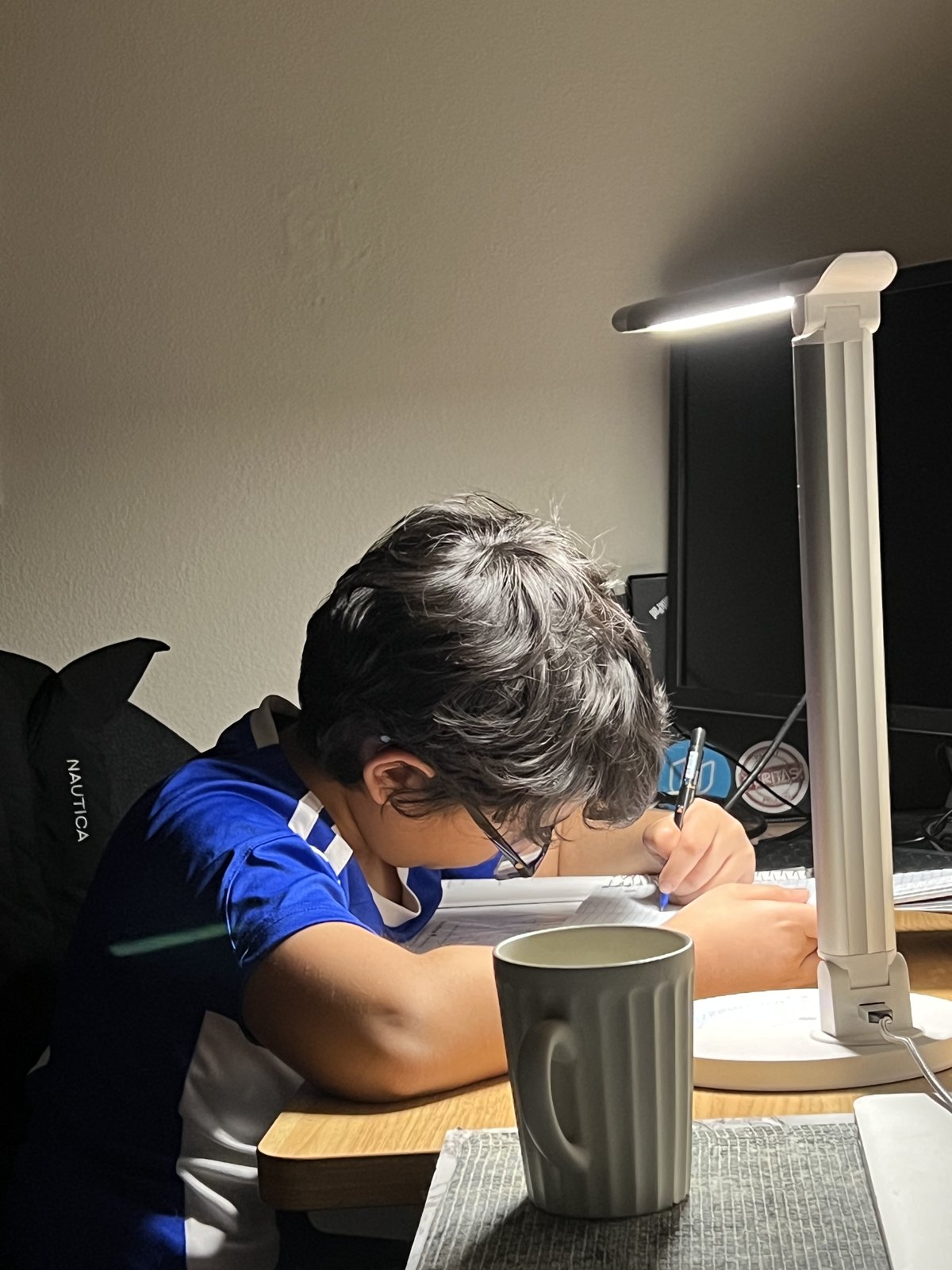
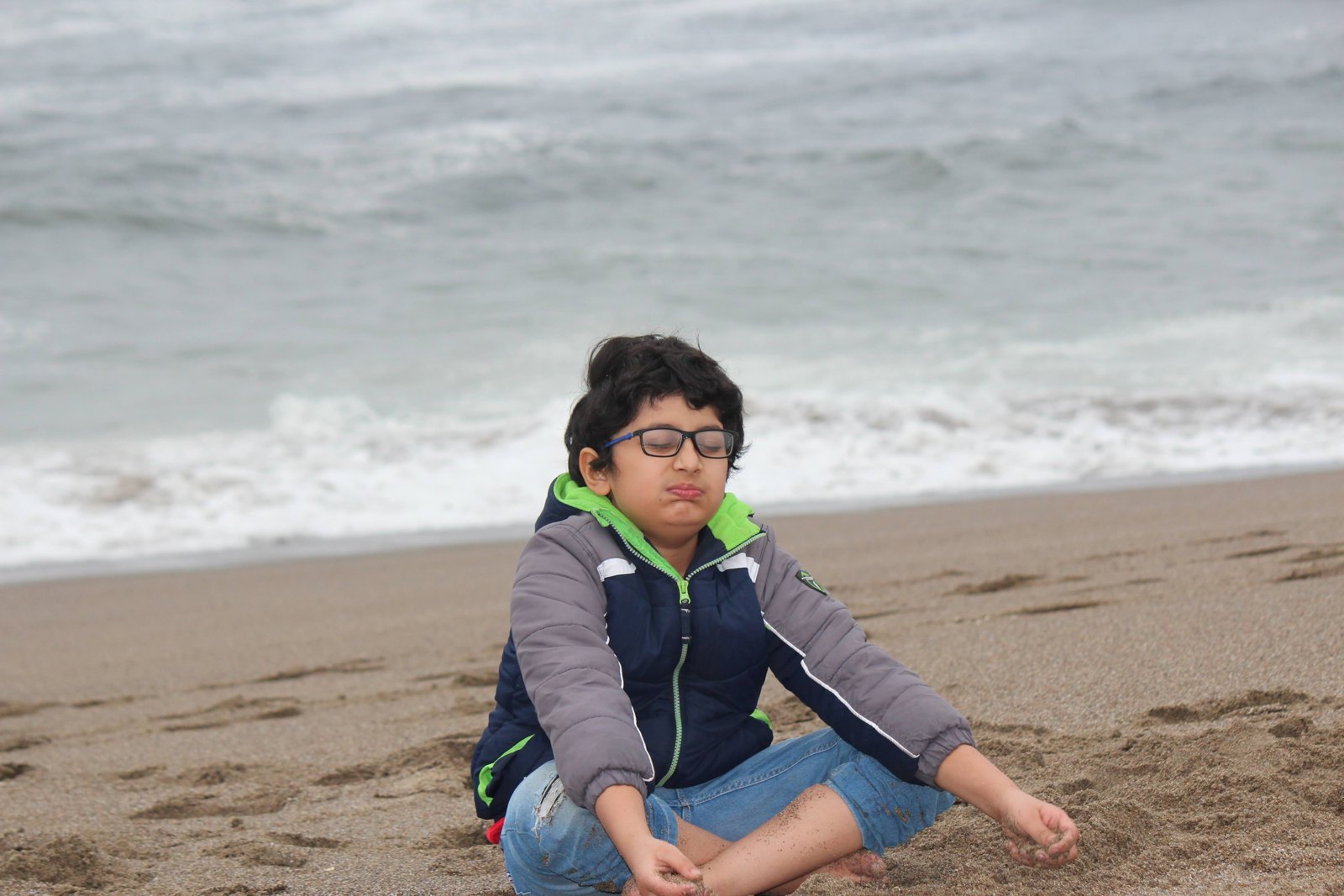
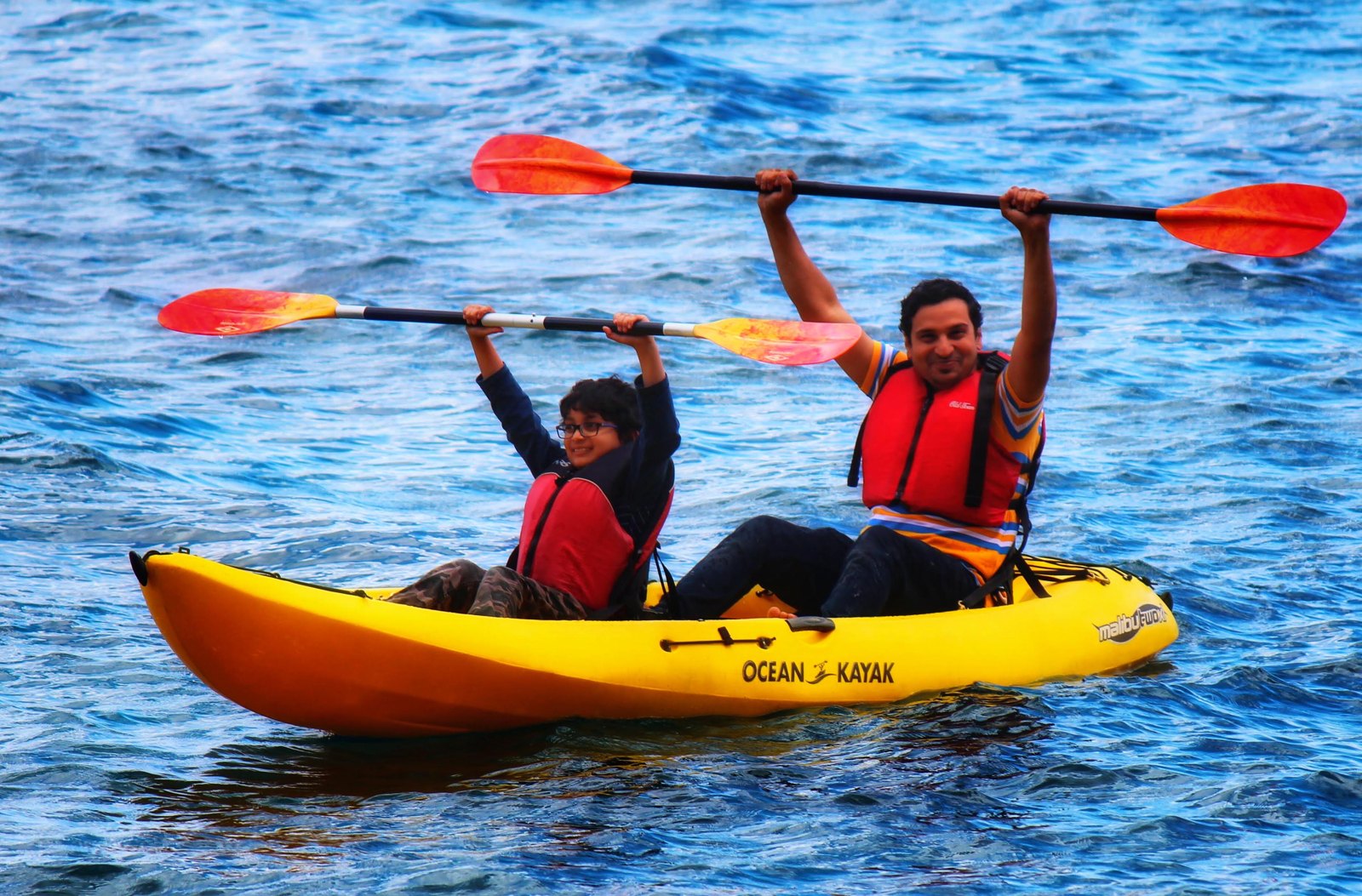
Other photographs from the archive, changing every few seconds.
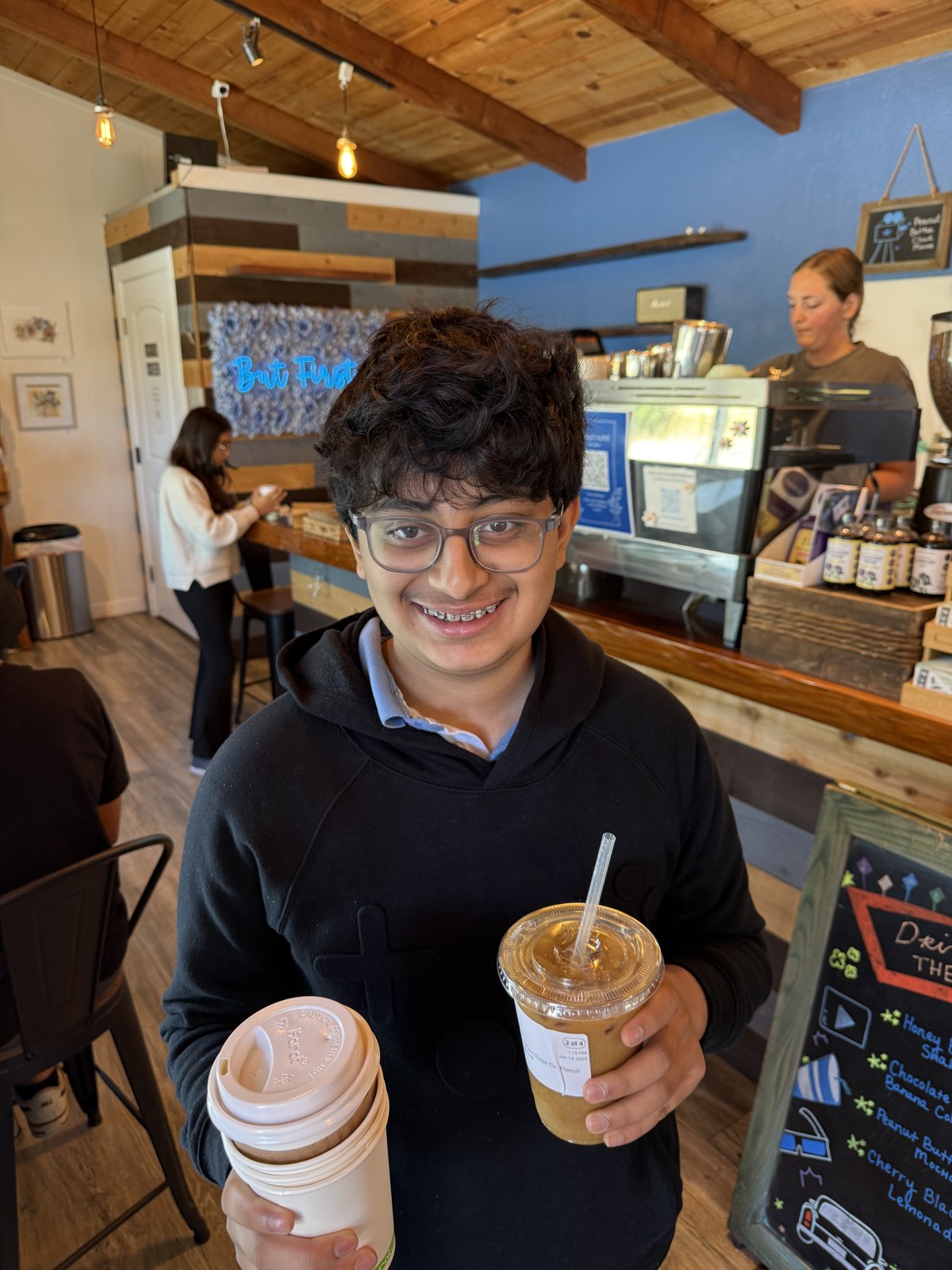
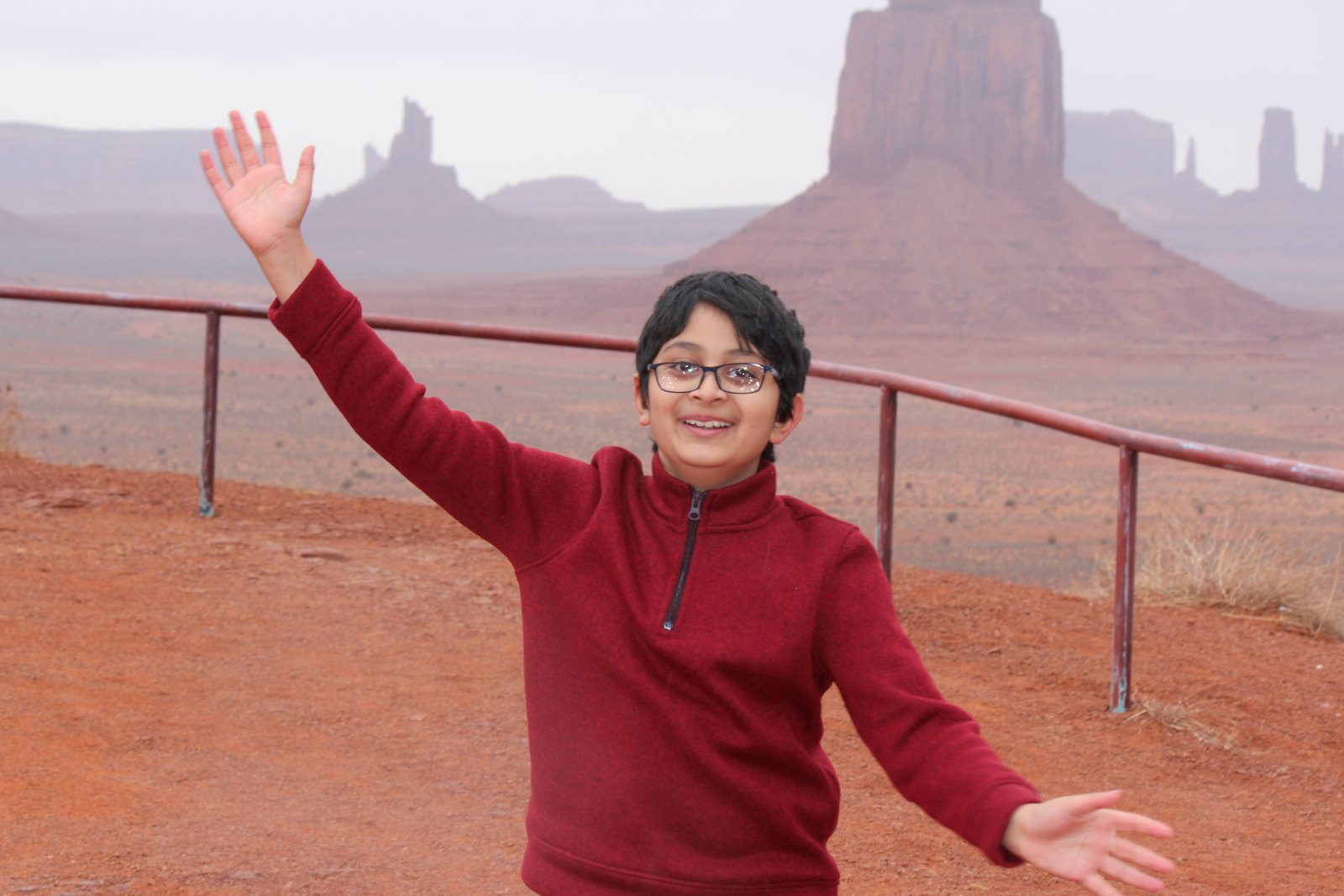
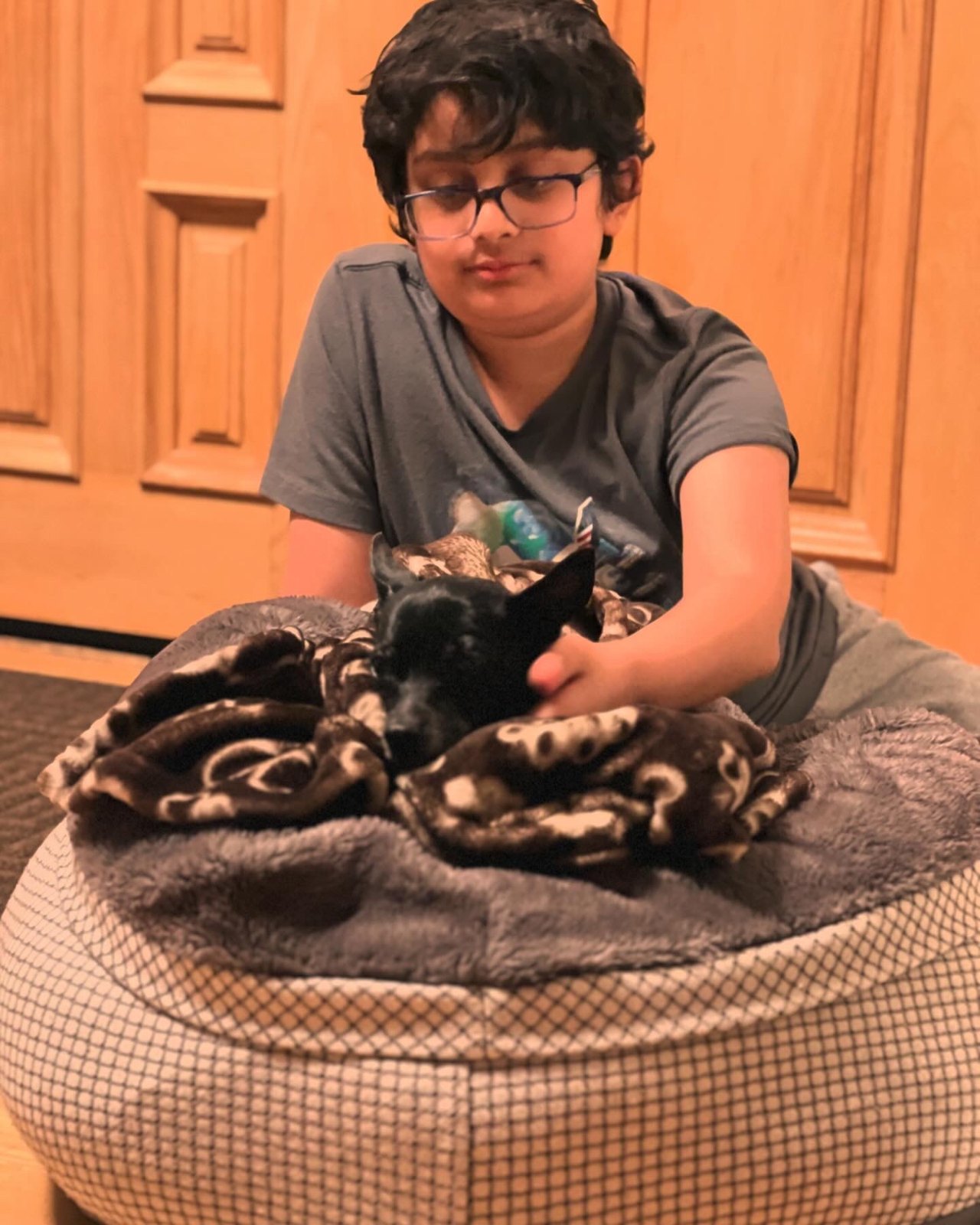
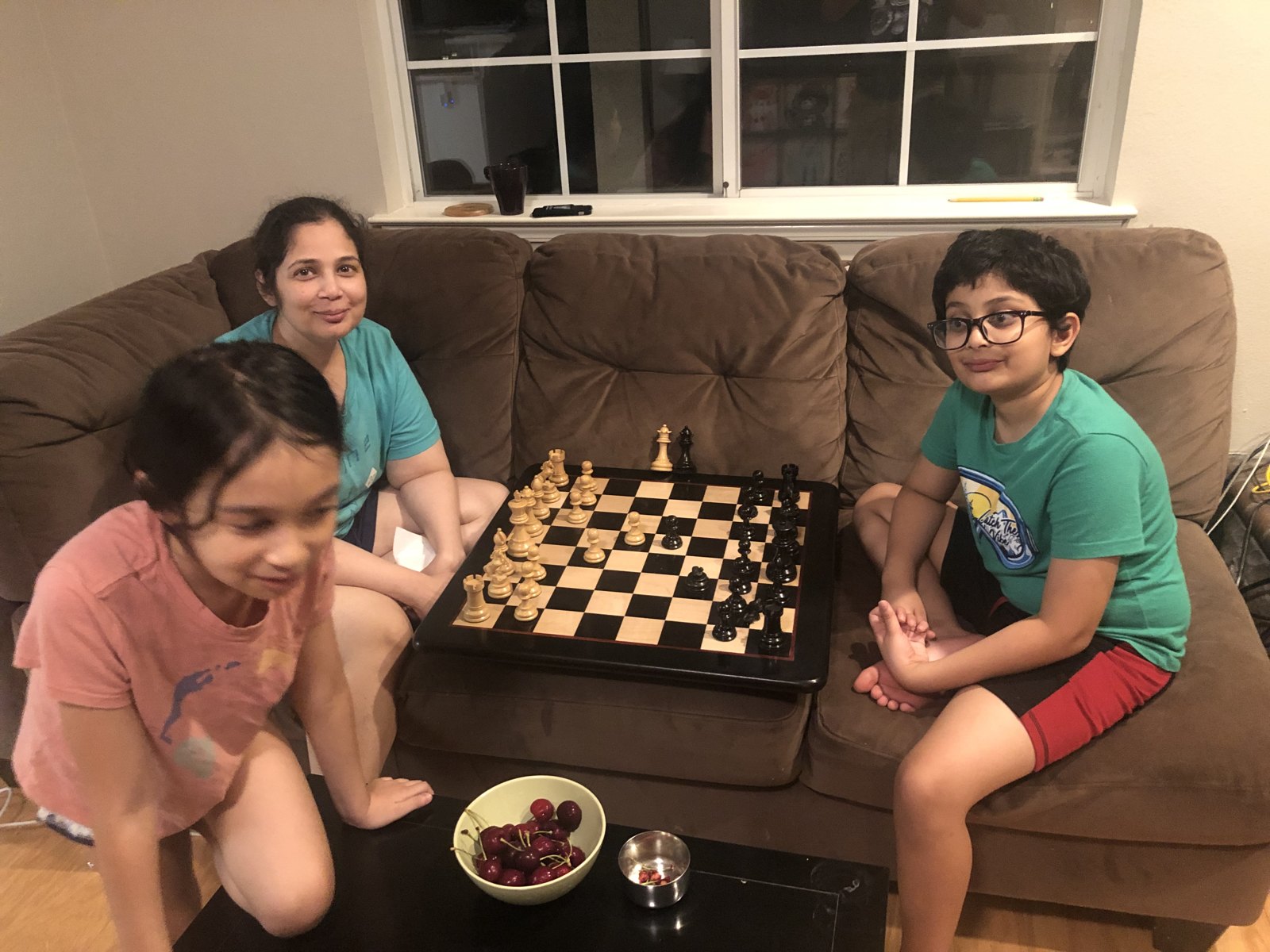
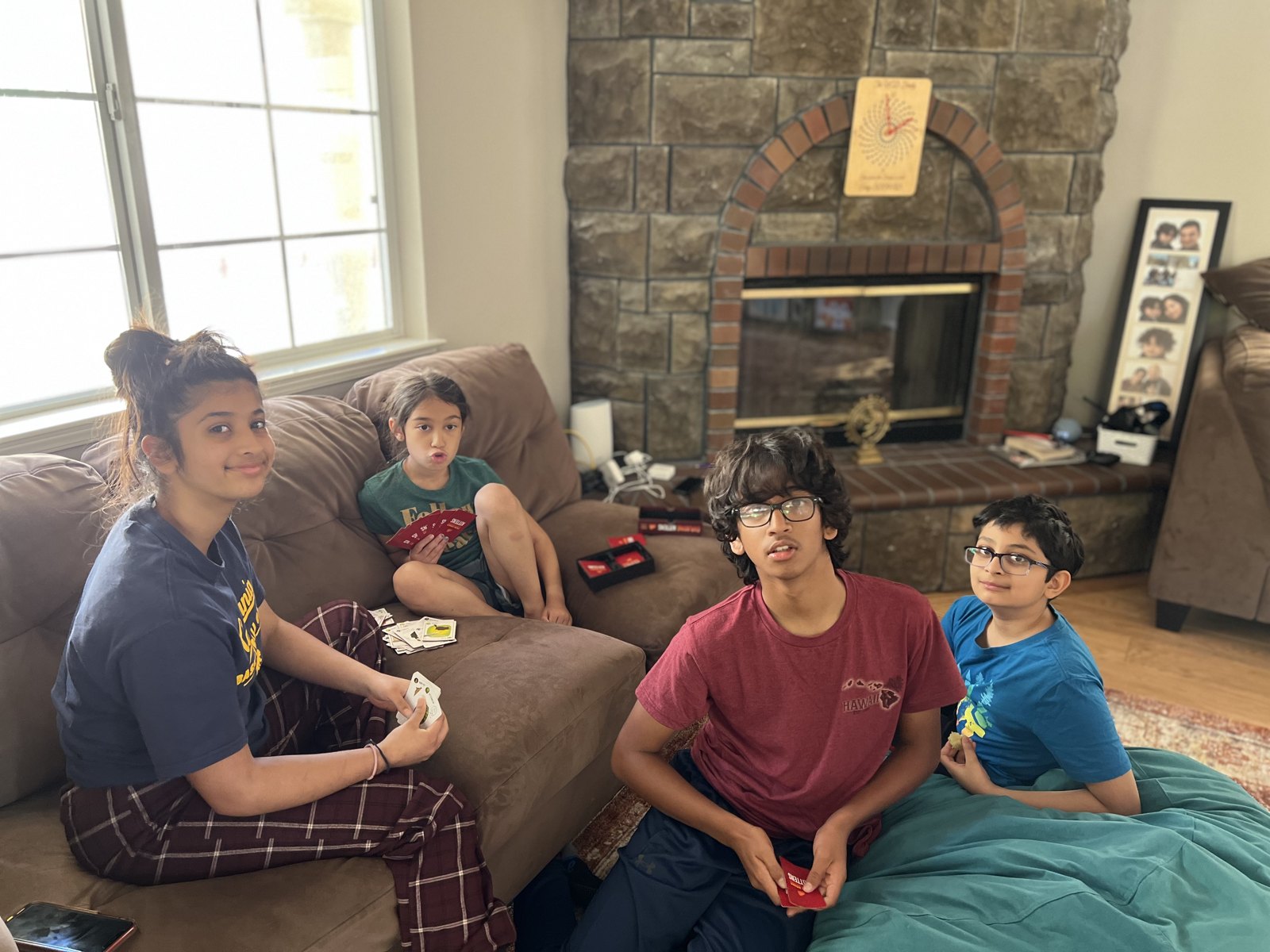
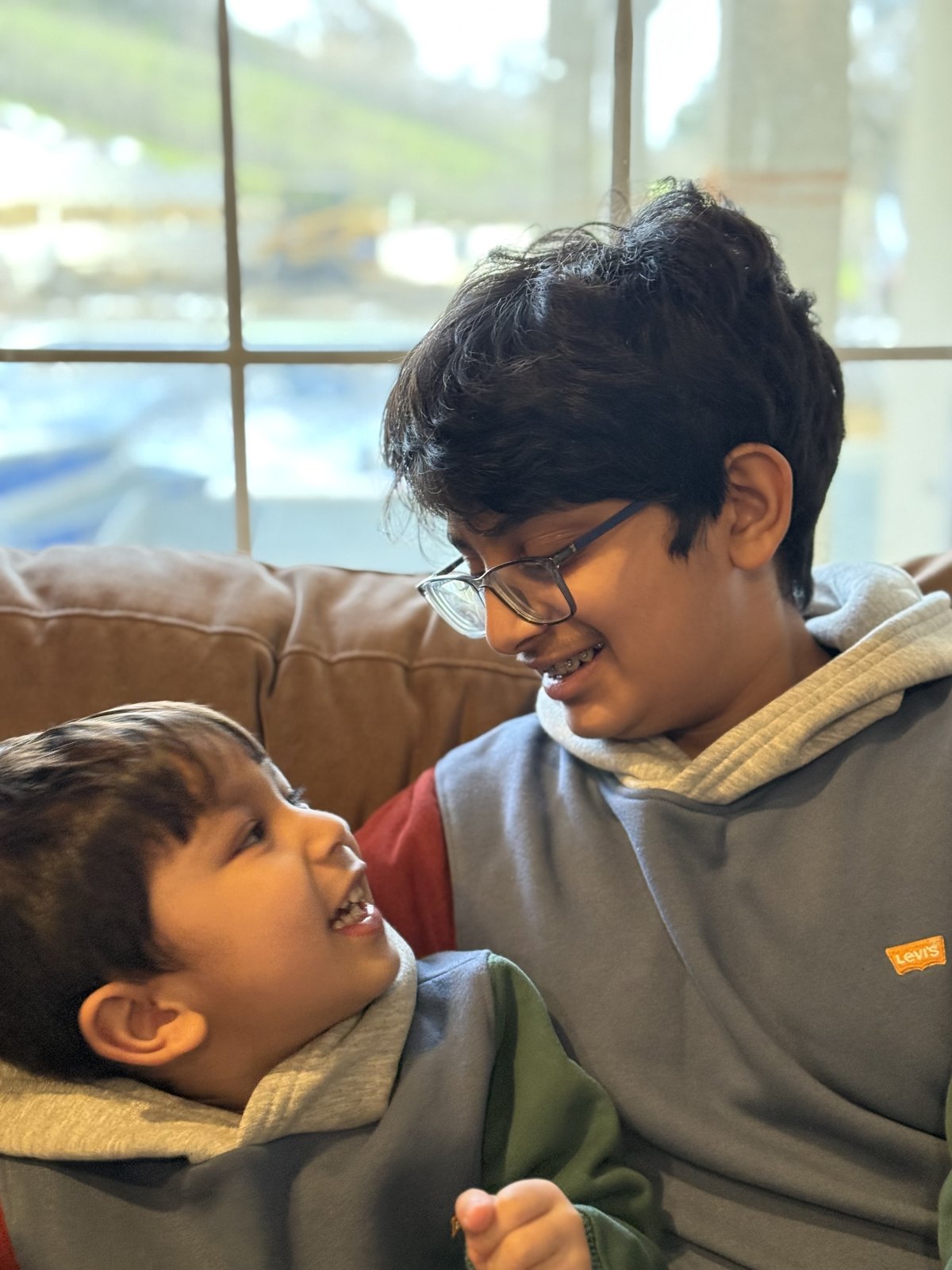
Writing about the science and questions I keep coming back to. Visit Field Notes →
Biology
A master blueprint and a temporary photocopy: an exploration of two approaches to genetic medicine.
Read the article →Biology & AI
Connecting DNA sequencing, protein databases, biomarkers, and AI in cancer research.
Read the article →Not every experience fits neatly into a category. Together, they show how my interests have gradually converged.
Education, research, experience, and the other things I’ve spent time learning.
September 2026
 Read on this site →Download PDF ↓
My professional profile and posts.
in/atharvved ↗My original website, with coding projects and simulations.
atharvved09.github.io ↗


